Reviews / Hiking Boots

HOKA Speedgoat 5 Review (2026)

HOKA Speedgoat 5 uses a 33mm midsole stack with a Vibram Megagrip outsole — maximum underfoot cushioning with professional-grade traction. It's the standard race day shoe for ultramarathon runners and increasingly the choice for long-distance hikers who need knee protection.

Check current price Skip to verdict
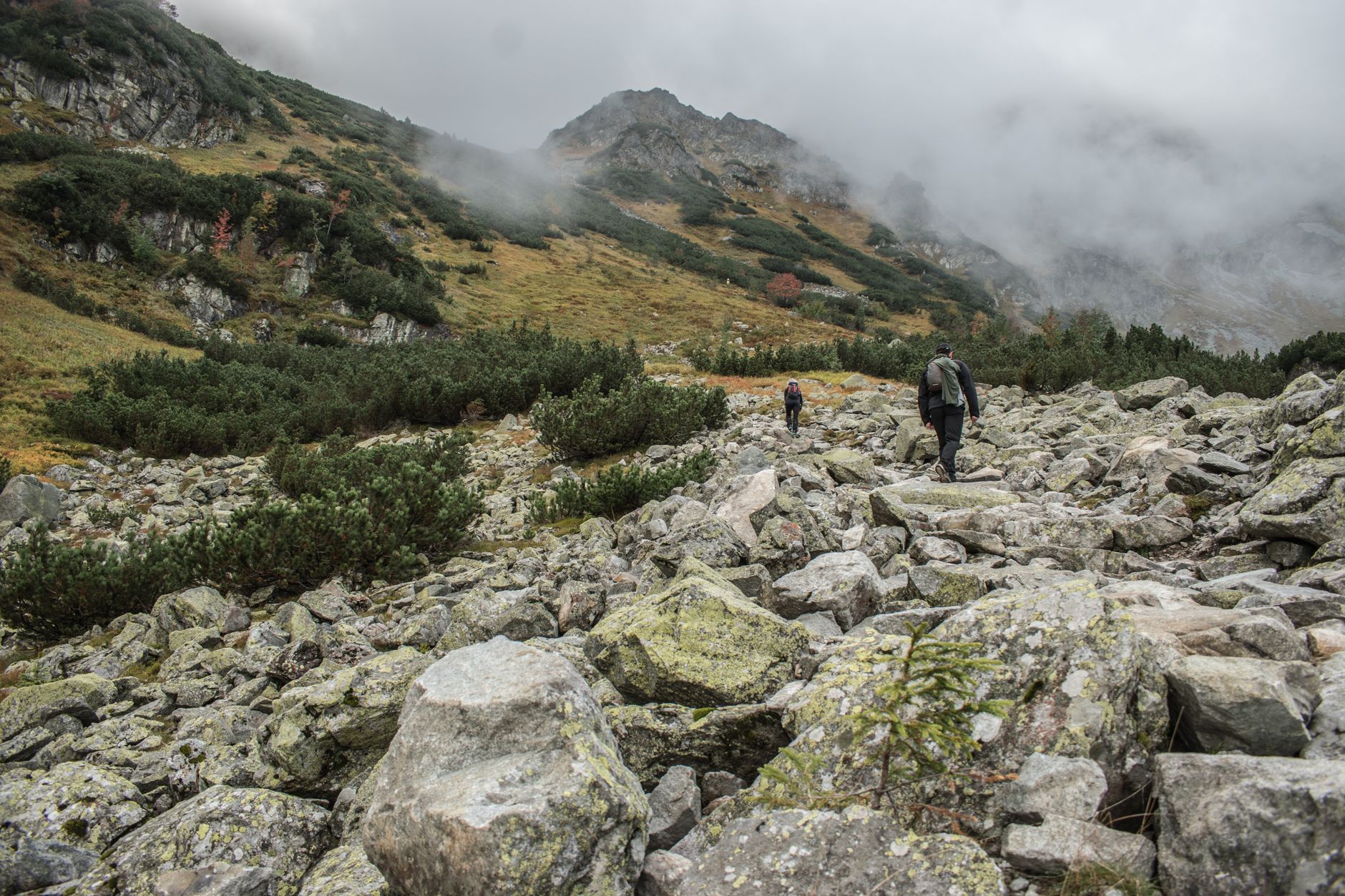
HOKA Speedgoat 5 — Hiking Boots review photo
Illustrative
9
Grant's score
The short version

HOKA Speedgoat 5 is the maximum-cushion trail runner. We looked at the 33mm stack and how it reduces impact force on long descents — particularly for hikers with knee concerns.

Who it's for

Buy this if: Long-distance hikers with knee pain or those doing descents exceeding 3,000 feet where impact protection matters.

Skip this if: Hikers who need proprioceptive ground feel — the thick stack reduces ground-contact sensitivity.

In practice

Descent Impact Reduction

On a 3,000-foot descent, knees absorb 3-5x body weight per step. Research shows maximum-cushion shoes reduce peak force by 12-18% compared to standard trail runners. For hikers with history of knee pain or ITB issues, this reduction is meaningful over the course of a 12-mile descent.

What we loved
+ 33mm cushioning dramatically reduces knee and joint impact on descents+ Vibram Megagrip — the highest grip rating of any commercial outsole+ Wide forefoot last comfortable for most foot widths
What we'd change
33mm stack reduces ground feel and increases ankle instability risk Heavier at 10.9 oz vs. Lone Peak 10.4 oz for similar protection
Where to buy

Check the current price

Amazon See price →

Links are Amazon affiliate links — we earn a commission if you buy, at no extra cost to you. It never changes our score.

The verdict
9

The right choice for descenders and knee-pain prone hikers. Most hikers can use Lone Peak or Cascadia unless knee protection is a specific need.

Check current price

Common questions

Is the Speedgoat good for thru-hiking?
Many thru-hikers use it for the knee protection. The trade-off is slightly heavier weight and less ground feel on technical terrain.
How often to replace?
300-500 miles — cushioning degrades before the outsole shows visible wear.

Methodology: Our gear ratings combine manufacturer specifications with aggregated owner feedback and long-term durability reports from verified buyers. We weigh value, packability, durability, and real-world reliability. Ratings are never influenced by commission rates. Last verified 2026-07-03.

Affiliate disclosure: This review contains Amazon affiliate links. If you buy through them, Gear Made Simple earns a small commission at no extra cost to you.

Get the next review first

One honest verdict a week, plus the free beginner's gear list.

Get the free gear list

The Complete Beginner's Camping Gear List

What to buy first — the exact beginner gear list, free.